
The Dangers of Severe Caloric Restriction: Unraveling the 800-1200 Calorie Problem In our pursuit of health and wellness, it’s not uncommon to encounter diets advocating severe caloric restrictions ranging from 800 to 1200 calories per day. While the intention may be to shed excess weight quickly, it’s crucial to understand the potential dangers lurking behind such drastic measures.
Nutrient Deficiency:
Reducing caloric intake to such minimal levels inevitably leads to a lack of essential nutrients. Our bodies require a diverse array of vitamins, minerals, and macronutrients for optimal functioning. Severe caloric restrictions make it challenging to meet these nutritional needs, paving the way for deficiencies that can adversely impact our overall health.
Metabolic Slowdown:
Contrary to popular belief, drastically cutting calories doesn’t always translate to accelerated weight loss. In fact, our bodies are intelligent systems that adapt to changes in food intake. Severe caloric restrictions can signal the body to slow down its metabolic rate, making it harder to burn calories efficiently and leading to a plateau in weight loss.
Muscle Loss:
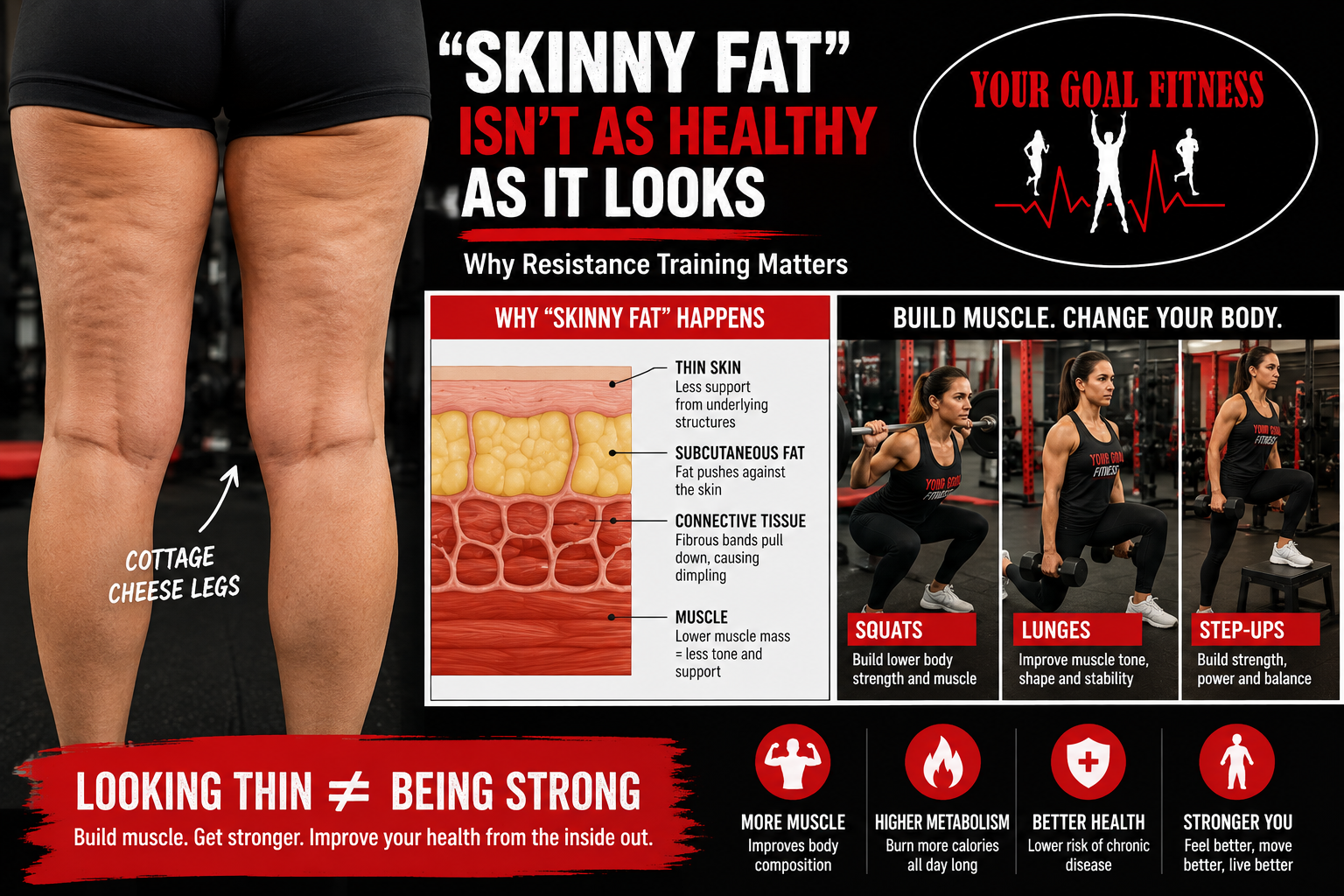
In the quest for rapid weight loss, individuals often overlook the importance of preserving lean muscle mass. Severe caloric restrictions may prompt the body to utilize muscle tissue for energy, resulting in muscle loss. This not only affects our physical strength but can also hinder long-term weight management efforts.
Energy Depletion:
Low-calorie diets can leave us feeling fatigued, irritable, and devoid of energy. The body relies on a steady supply of calories for fueling essential functions, and insufficient energy intake can lead to lethargy, impacting our ability to perform daily tasks and exercise effectively.
Hormonal Imbalance:
Caloric restriction can disrupt hormonal balance, particularly affecting hormones responsible for regulating hunger, satiety, and stress. This imbalance may trigger intense cravings, emotional eating, and hinder the body’s ability to maintain a stable weight.
Psychological Strain:
Severe caloric restrictions can take a toll on our mental well-being. Constantly monitoring every morsel of food and grappling with hunger pangs can lead to feelings of deprivation, guilt, and anxiety around eating. This unhealthy relationship with food can contribute to the development of disordered eating patterns.
In conclusion, embarking on a journey of severe caloric restriction comes with its share of pitfalls. Instead of opting for quick fixes, a sustainable and balanced approach to nutrition is key. Prioritize whole, nutrient-dense foods, engage in regular physical activity, and consult with a registered dietitian for personalized guidance on achieving your health goals without compromising your well-being. Remember, a nourished body is a resilient body, capable of achieving lasting health and vitality.