Thanksgiving is a time for family, friends, and some seriously good food. Turkey, stuffing, mashed potatoes, gravy, casseroles, rolls, and dessert. It's easy to enjoy a little bit of everything.
But if you're working toward losing body fat or improving your health, Thanksgiving can bring a familiar concern:
How much fat am I going to gain from one big meal?
The good news is that one Thanksgiving dinner is unlikely to undo months of progress. The bigger issue is what happens before and after the holiday.
The Difference Between Weight Gain and Fat Gain
You might step on the scale the morning after Thanksgiving and see a noticeable increase.
Don't panic.
That change doesn't necessarily mean you've gained the same amount in body fat. A large meal can temporarily increase scale weight because of:
- More food and fluid still being digested
- Higher sodium intake, which can cause temporary water retention
- Increased carbohydrate intake and changes in stored glycogen
- Eating larger portions than usual
Actual body fat gain requires a sustained calorie surplus. One meal can contribute to that surplus, but the scale the next morning doesn't tell the whole story.
The Thanksgiving-to-New-Year's Trap
Here's where things can get complicated.
Thanksgiving often marks the beginning of several weeks of holiday celebrations. There are office parties, family gatherings, leftover desserts, holiday drinks, and meals that become larger or less structured than usual.
The problem isn't necessarily Thanksgiving dinner. It's turning one holiday meal into six weeks of consistently eating more than your body needs.
Research published in the New England Journal of Medicine found an average holiday-period weight increase of about 0.8 pounds in the adults studied. That's considerably less than the commonly repeated claim that everyone gains five pounds, but even modest weight gain can become meaningful if it accumulates year after year.
Five Ways to Enjoy Thanksgiving Without Abandoning Your Goals
1. Don't skip meals to save calories.
Skipping breakfast and lunch can leave you overly hungry by dinner. Eat normally and avoid arriving at the table starving.
2. Start with protein.
Turkey can be a great source of protein. Include it alongside vegetables and other foods you enjoy.
3. Be intentional about portions.
You don't need to avoid stuffing, potatoes, or dessert. Choose the foods you genuinely enjoy instead of automatically taking a little of everything.
4. Get some movement.
A walk with family after dinner is a simple way to stay active. You don't need to punish yourself with an intense workout to compensate for eating.
5. Get back to your normal routine.
Don't let Thanksgiving turn into an entire weekend of overeating. Return to your usual meals, activity, and training schedule.
Strength Training Helps You Focus on More Than the Scale
If your goal is to improve body composition, resistance training should be part of the conversation.
Building and maintaining muscle supports strength, function, and long-term physical health. Combined with appropriate nutrition and activity, it can help you work toward reducing excess body fat without focusing exclusively on weight.
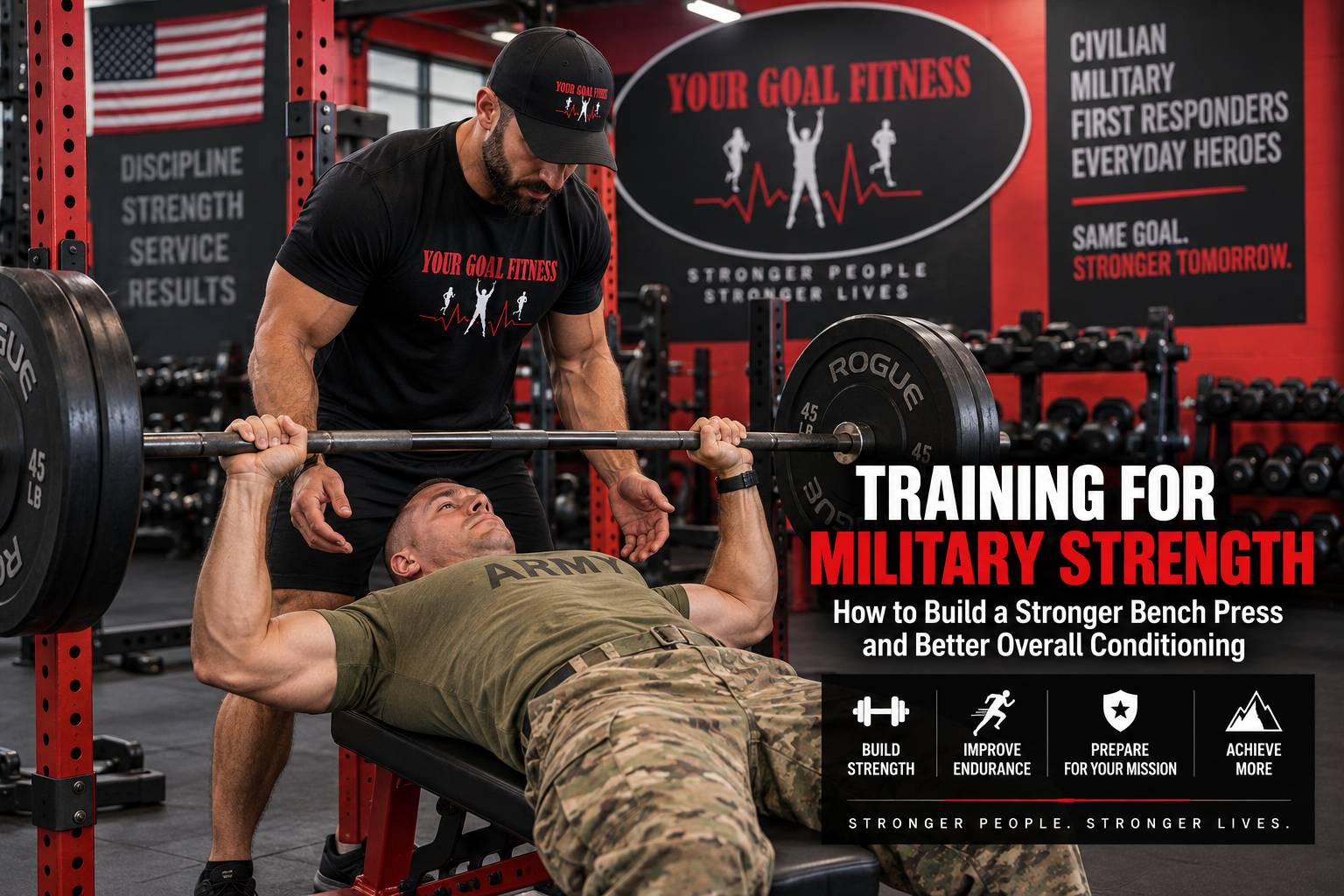
At Your Goal Fitness, Ron works with adults who want to improve their health through individualized fitness and nutrition guidance.
Whether you're trying to lose weight, build muscle, improve your blood pressure, or address concerns about prediabetes, the goal is to develop a plan you can maintain.
Enjoy Thanksgiving. Just Don't Make It a Season of Setbacks.
You don't have to choose between enjoying the holidays and taking care of your health.
Eat the turkey. Enjoy the stuffing. Have a slice of pie if you want one.
Then get back to your routine.
If you're looking for a personal trainer in Merrimack, NH, or near Nashua, NH, Your Goal Fitness can help you build a fitness plan that works in the real world, including during the holidays.